Landu Novastar™  ·  HPS Additive Solutions GYPSUM SERIES

Gypsum Plastering Elevated by HPS Technology

Hydroxypropyl Starch Ether · Gypsum Plaster Systems

Landu Novastar HPS is a precision‑engineered additive for gypsum plastering — delivering outstanding workability, exceptional whiteness retention, and long‑lasting crack resistance across interior wall applications worldwide.

Excellent Workability Superior Whiteness Easy Sanding Crack Resistance
Certified & Trusted
ISO 9001 & 14001 REACH Compliant Full Traceability 60+ Countries Fortune 500 Clients 24/7 Technical Support
Landu Novastar™  ·  HPS Additive Solutions INTRODUCTION

Understanding Gypsum Plastering
with Hydroxypropyl Starch Ether

Gypsum plaster has become the preferred option for modern interior walls and ceilings due to its smooth finish, faster application, and superior fire resistance compared to cement‑based plaster. The performance of a gypsum system depends on how well its additives balance workability, water retention, and surface finish.

How Landu Novastar™ HPS Enhances Your Plaster
Improving trowelability and spreadability
Excellent water retention for complete hydration
Superior anti‑sagging on vertical & overhead surfaces
Smooth, defect‑free finishes
Reducing cracking and shrinkage defects
Extended open time for better application control
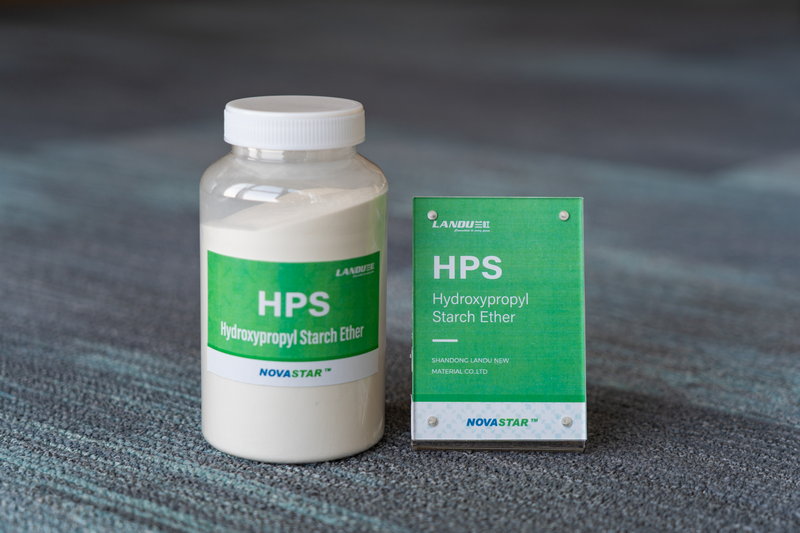
Landu Novastar Hydroxypropyl Starch Ether Product Powder
Landu Novastar™ HPS

Hydroxypropyl Starch Ether — Powder Form for Gypsum Plaster Systems

≥98%
Whiteness Index
60+
Countries Served
ISO
9001 · 14001
Certified & Trusted
ISO 9001 & 14001 REACH Compliant Full Traceability 60+ Countries Fortune 500 Clients 24/7 Technical Support
Application Types

Manual Application Gypsum Plaster

with Landu Novastar™ HPS Additives — formulated for traditional trowel application, valuing workability, open time and surface fineness.

30–60 min Open Time
0 sag Anti-Sag Proven
A+ finish Surface Quality
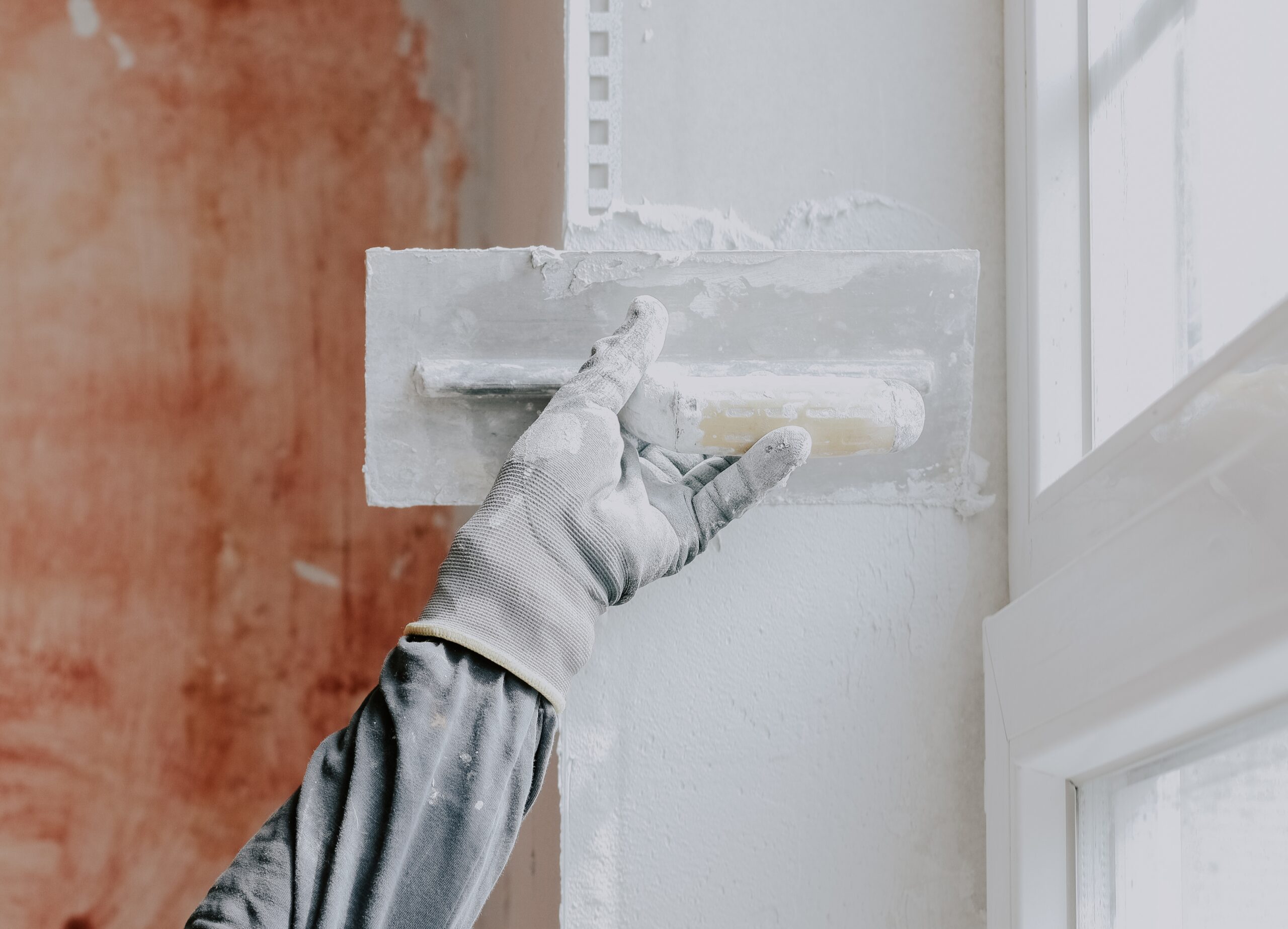
Manual gypsum plaster trowel application
Anti-Sag
Trowel Ready
Traditional trowel application on interior walls
Key Performance Needs
Creamy texture for smooth troweling
Extended open time 30–60 min
Superior anti‑sagging on walls & ceilings
Excellent water retention and surface quality
HPS Benefits
1 Reduces installer fatigue via smooth spreadability
2 Prevents slumping on vertical surfaces
3 Improves hydration and finish smoothness
Application Types

Gypsum‑Based Putty Finishing

with Landu Novastar™ HPS Additives — fine finishing formulations for ultra‑smooth surfaces ready for paint or wallpaper application.
1–3 mm Layer Thickness
0 crack Zero Shrinkage
A+ finish Surface Quality
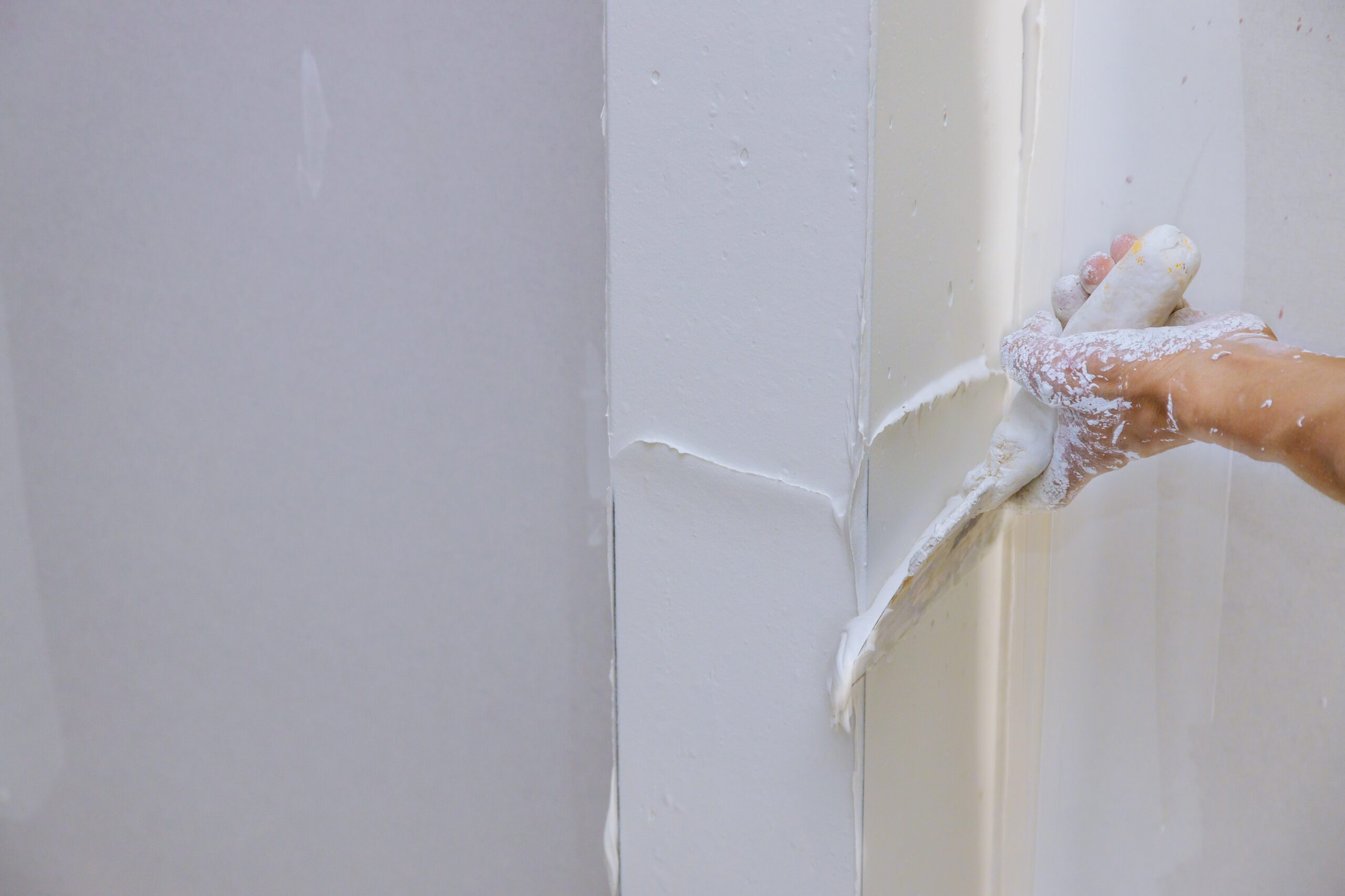
Gypsum putty fine finishing application
No Cracking
Ultra Smooth
Fine putty finishing on interior wall surfaces
Key Performance Needs
Creamy texture for easy spread properties
Superior anti‑sag in thin layers 1–3 mm
Zero cracking or shrinkage issues
Paint & wallpaper ready surface finish
HPS Benefits
1 Enables smooth application with minimal tool drag
2 Improved water retention prevents premature drying
3 Delivers perfect surface finish for top coats
Application Types

Machine Spray Gypsum Plaster

with Landu Novastar™ HPS Additives — engineered for mechanized construction, delivering precise rheology, pumpability and consistent spray coverage.
360° flow Pump Optimized
<5% waste Rebound Reduced
A+ cover Spray Coverage
Key Performance Needs
Precise rheology for continuous pump systems
Anti‑sagging balance under high‑pressure spray
Consistent texture retention across large surfaces
Minimized rebound & material waste on site
HPS Benefits
1 Optimized flow for screw & piston pump systems
2 Prevents slumping on vertical and overhead surfaces
3 Reduces rebound loss & improves material yield
Compatible Equipment
PFT Machines M-TEC Systems Knauf Machines Screw Pump Piston Pump
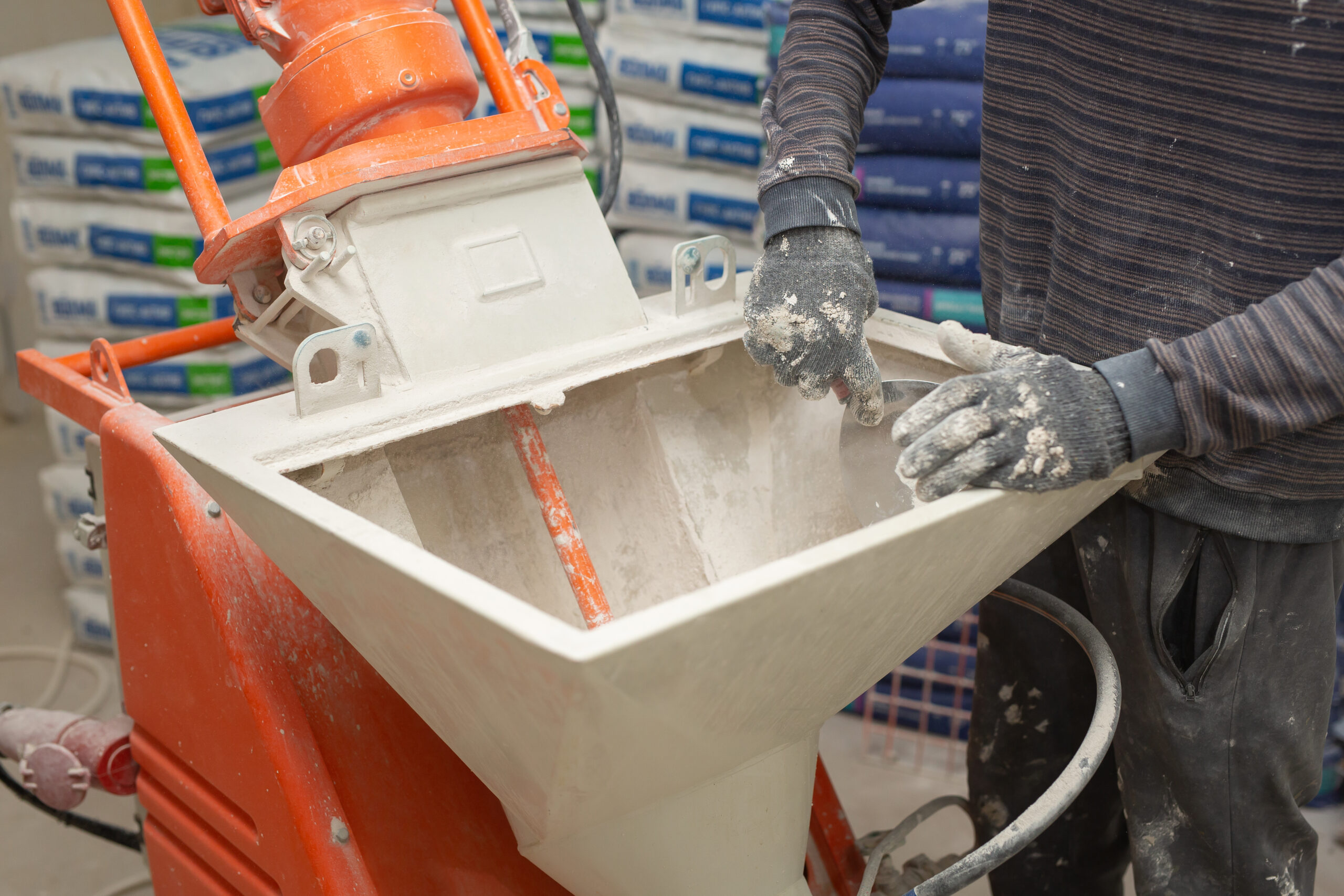
Machine spray gypsum plaster application
Anti-Sag
Spray Ready
Mechanized spray application on interior walls
Application Types

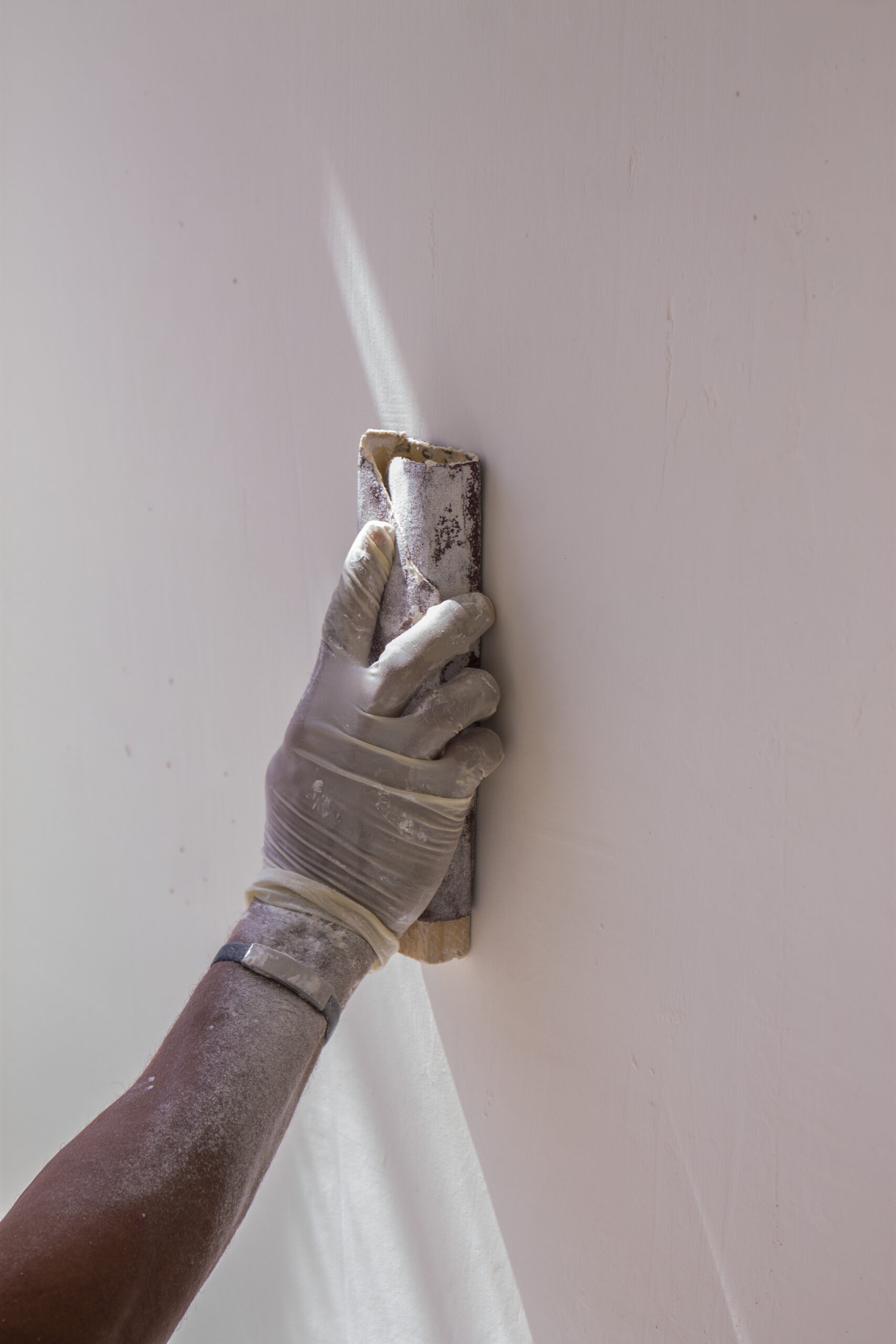
Lightweight Gypsum Plaster Systems

with Landu Novastar™ HPS Additives — incorporating perlite or vermiculite to reduce weight and enhance thermal efficiency without sacrificing workability.
↓30% weight Density Reduced
A+ thermal Efficiency
100% cohesion Aggregate Bond
Key Demands
Workability and stability despite density reduction
Consistent cohesion with perlite & vermiculite
Balanced porosity management for surface integrity
Smooth, even finish under low‑density formulations
HPS Contribution
1 Improved cohesion between lightweight aggregates
2 High water retention to balance aggregate porosity
3 Smooth finishes under low‑density formulations
Lightweight gypsum plaster application with perlite aggregates
Lightweight
Thermal+
Aggregate Types
Perlite Vermiculite
Lightweight plaster on interior walls
Application Types
High‑Performance Durable & Reinforced Gypsum Plaster

with Landu Novastar™ Hydroxypropyl Starch Ether (HPS) — suited for heavy‑duty and long‑life finishes where strength and impact resistance are key.
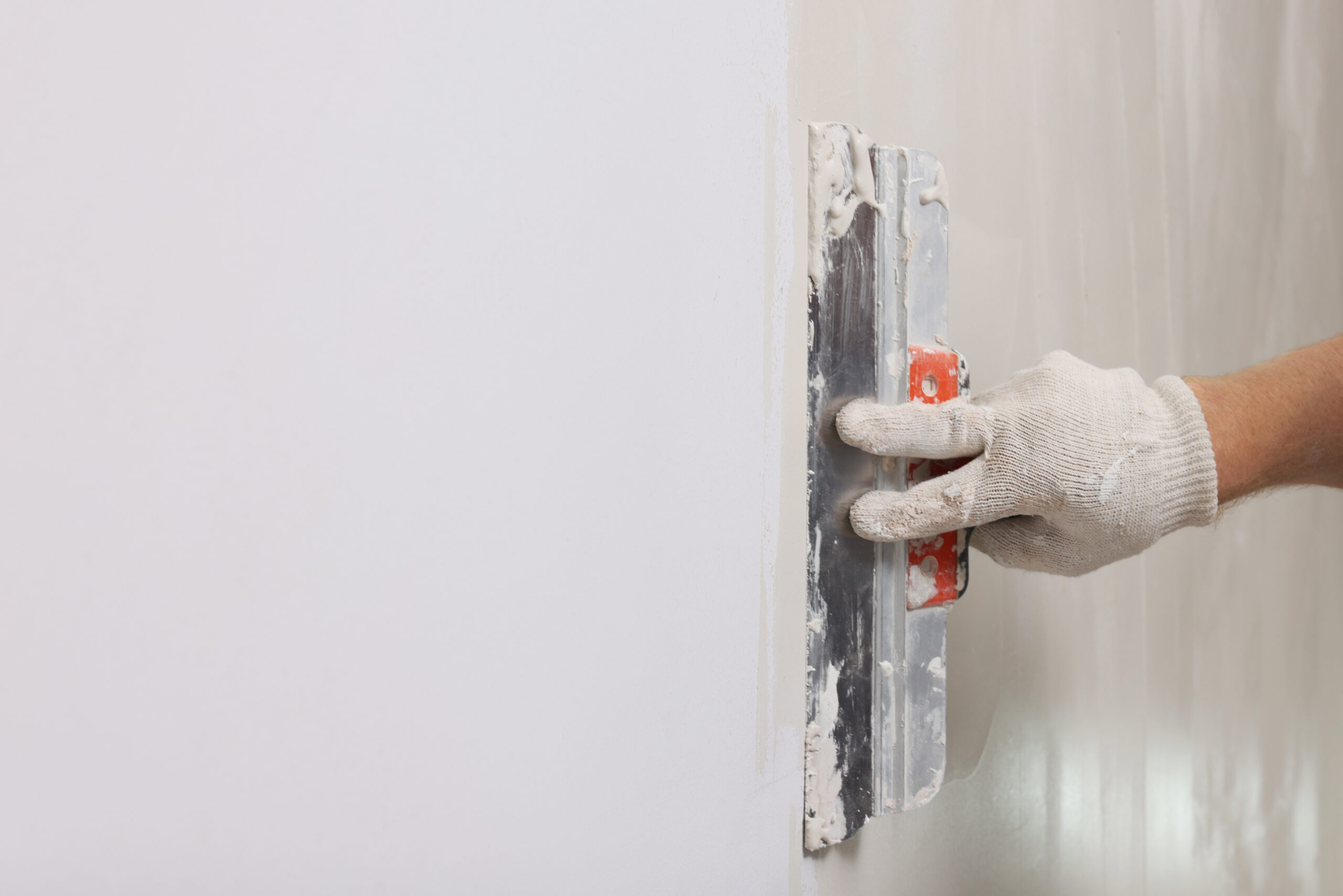
High-performance reinforced gypsum plaster application
Heavy Duty
Impact Resistant
Reinforced application for long‑life finishes
Key Demands
Strength & impact resistance for heavy‑duty finishes
Cohesion stability in dense, thick mixes
Long‑life durability with superior curing
HPS Role
1 Strengthens cohesion in dense mixes
2 Improves bond & anti‑sag at greater thicknesses
3 Enhances water retention for curing & durability
Decorative Gypsum Plaster & Textured Finishes

with Landu Novastar™ Hydroxypropyl Starch Ether (HPS) — for artistic and architectural finishes requiring plasticity, extended workability and stable shape retention.
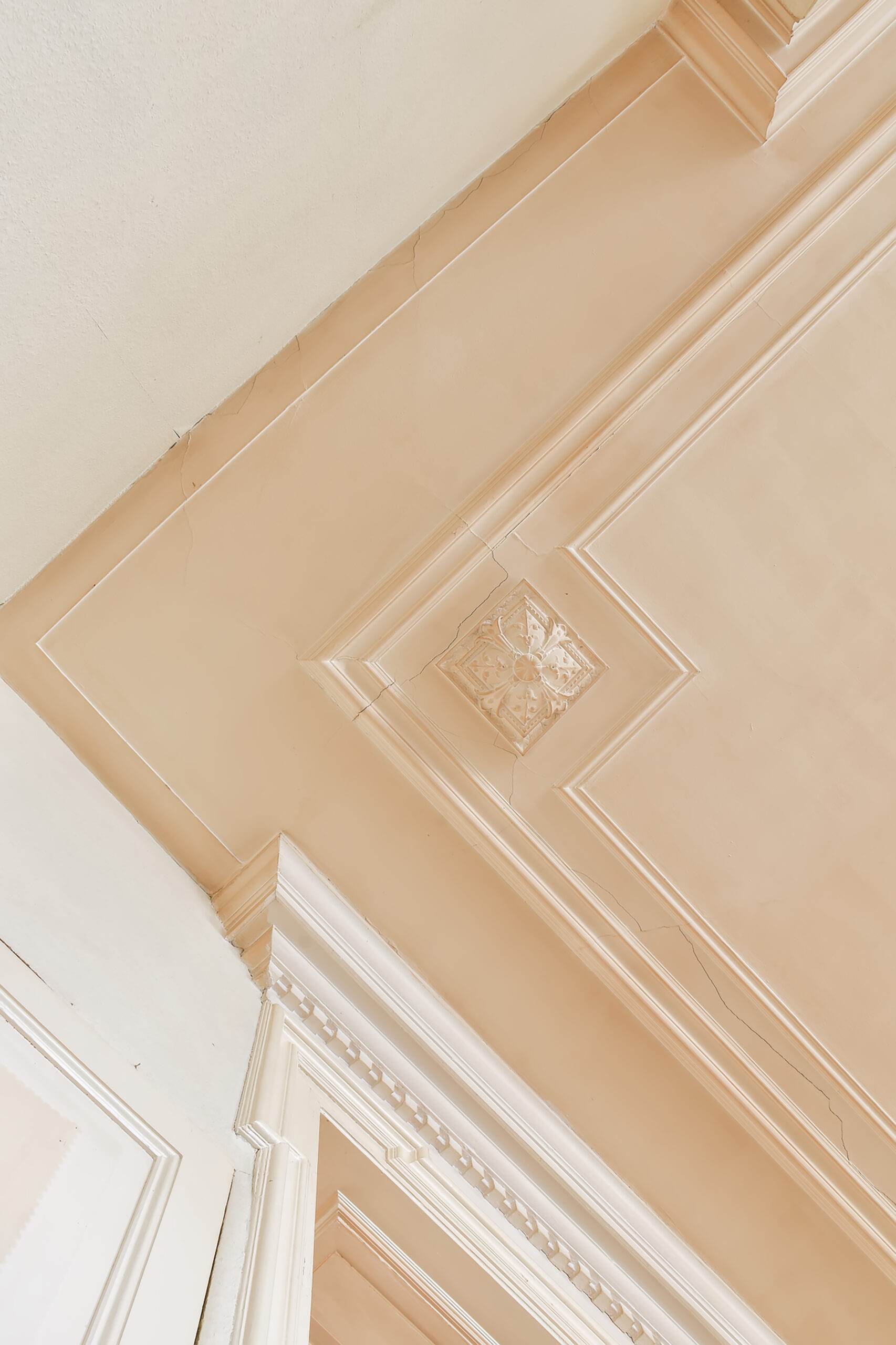
Decorative textured gypsum plaster finish
Decorative
Texture Ready
Artistic & architectural textured finish work
Key Demands
Plasticity & shape retention for artistic work
Extended open time for intricate design work
Stable pattern definition on textured surfaces
HPS Boosts
1 Extended open time for complex design & detailing
2 Excellent anti‑sagging on vertical decorative surfaces
3 Stable pattern definition throughout working time
Technical Performance — Landu Novastar HPS
Technical Data
Performance Matrix

Technical Performance of Landu Novastar HPS

in Gypsum Plaster Applications — measured across six critical parameters

6 Parameters
>85% Water Retention
60 min Max Open Time
Parameter
Importance
Landu Novastar HPS Contribution
Workability 01

Smooth application and ease of troweling

Optimized rheology and lubricity
Water Retention 02

Prevents premature drying, enables hydration

Retains > 85% moisture ASTM C91
Anti‑Sagging 03

Vertical stability and thickness control

Strong thixotropy and yield value
Open Time 04

Allows finishing and adjustment

Extended 30–60 min Grade dependent
Surface Finish 05

Aesthetic smoothness and uniformity

Reduced defects and minimal sanding
Crack Resistance 06

Long‑term durability

Better hydration and stress distribution
Water retention tested per ASTM C91 standard. Open time varies by grade and ambient conditions.
Landu Novastar™ HPS Gypsum Plaster
Formulation Guidelines — Landu Novastar HPS
Formulation Guidelines
Mix Design Reference

Optimizing Gypsum Plaster with Landu Novastar HPS

Recommended dosage ranges and additive synergy combinations across four plaster system types

4 System Types
0.2–0.4% HPS Dosage
4 Synergies
01

Manual Plaster

Hand Applied
Gypsum 75–85%
Fillers 10–20%
HPS 0.2–0.3%
HPMC optional 0.05–0.1%
HPS: 0.2–0.3%
02

Machine Plaster

Spray Applied
Gypsum 70–80%
Aggregates 15–25%
HPS 0.25–0.35%
HPS: 0.25–0.35%
03

Putty

Finish Coat
Gypsum 30–40%
CaCO₃ 55–65%
HPS 0.2–0.25%
HPS: 0.2–0.25%
04

Lightweight

Perlite System
Gypsum 60–70%
Perlite 25–35%
HPS 0.3–0.4%
HPS: 0.3–0.4%

Additive Synergies

Combine HPS with complementary additives for enhanced performance

HPS + HPMC

Longer open time and smoother texture

Open Time Texture
HPS + RDP

Adhesion and flexibility enhancements

Adhesion Flexibility
HPS + Fiber

Crack and impact control

Crack Control Impact
HPS + Retarder

Set‑time control for hot weather

Set Time Hot Weather
Product Selection Guide — Landu Novastar HPS
Product Selection Guide
Grade Selector Reference

Choosing the Right Landu Novastar HPS Grade

Match each gypsum plaster application to the optimal Hydroxypropyl Starch Ether grade for peak performance

5 Applications
6 HPS Grades
HPS Technology
Application
Recommended HPS Grade
Key Benefit
Manual Plaster Hand Applied
ST1403B / ST1506A
Smooth workability Workability
Machine Spray Spray Applied
ST2109 / ST1703A / ST2442
Pumpable rheology Rheology
Putty Finish Coat
ST1403B / ST3547
Fine surface finish Surface
Lightweight Plaster Perlite System
ST1703A / ST2442
High viscosity control Viscosity
Decorative / High Performance Thick Application
ST2109 / ST2442
Anti‑sag for thick application Anti-Sag
Grade Quick Reference All available Novastar HPS grades at a glance
ST1403B
Manual Putty
ST1506A
Manual
ST1703A
Machine Lightweight
ST2109
Machine Decorative
ST2442
Machine Lightweight Decorative
ST3547
Putty
Recommended for this application Not primary recommendation Dot order: Manual · Machine · Putty · Lightweight · Decorative
Application Best Practices — Landu Novastar HPS
Application Best Practices

Field Guide with Landu Novastar HPS

Step-by-step guidance for surface prep, mixing, application and curing — plus targeted fixes for common on-site issues

4 Workflow Steps 5–35 °C Cure Range 24 h Protection 2 Issue Fixes
Workflow
01 Surface Prep
02 Mixing
03 Application
04 Curing
01

Surface Preparation

Preparation

Ensure the substrate is clean, dry, and structurally stable before application to achieve optimal adhesion and coating integrity.

Remove dust, oil and all loose particles from the substrate surface
Verify substrate moisture content is within acceptable limits
Confirm structural stability — no hollow, crumbling or delaminated areas
02

Mixing Order

Mixing

Follow the correct sequence to fully activate HPS and achieve uniform, lump-free consistency throughout the mix.

Add powder
to water
Mix 3–5 min
Rest 5 min
Re-mix Ready
03

Application Thickness

Application

Apply within the recommended thickness range for each system type to ensure proper hydration and surface quality.

Plaster 8–15 mm
15 10 5 0
Base & render coat
Putty 1–3 mm
15 10 5 0
Finish coat only
04

Curing Conditions

Curing

Maintain controlled environmental conditions during the critical first 24 hours to prevent premature drying and surface defects.

5–35 °C Temperature Range
24 h Min. Protection
No Wind Avoid Drafts
No Direct Sun Avoid UV Exposure

Common Issues

On-site diagnostics & fixes

Sagging Anti-Sag
Symptom Wet plaster slides or slumps on vertical surfaces
Fix
Increase HPS dosage within recommended range
Switch to a higher viscosity HPS grade
Cracking Crack Control
Symptom Surface cracks appear during or after drying
Fix
Add HPMC to improve water retention
Incorporate fiber reinforcement
Quick Parameter Reference
Plaster thickness 8–15 mm
Putty thickness 1–3 mm
Mix time 3–5 min
Rest time 5 min
Cure temp. 5–35 °C
Protection 24 h
Technical FAQ

Frequently Asked Questions — Landu Novastar™ HPS in Gypsum Systems

Expert answers on hydroxypropyl starch ether dosage, compatibility, and formulation optimization for gypsum plaster applications

10 Questions Covered
0.2–0.4% Typical Dosage Range
2–4 hrs Working Time
5 Grades HPS Product Range

Typical dosage ranges from 0.2–0.4% by weight of dry mix, depending on application type and performance requirements.

Manual: 0.2–0.3% Machine Spray: 0.25–0.35%

Yes, HPS can be used alone and provides excellent water retention and workability. However, combining HPS with cellulose ether provides synergistic benefits.

Cellulose Ether: 0.05–0.15% Extended Open Time Enhanced Water Retention

ST2109 (1000–5000 mPa·s) is the machine spray specialist, offering exceptional thixotropy and anti-sagging performance.

ST2109 ★ Best ST1703A ST2442

Use higher viscosity HPS grades at dosage 0.3–0.4%, reduce water content, apply in thinner layers, and ensure proper material consistency.

ST1703A ST2442 ST2109 Dosage: 0.3–0.4%

Common causes include rapid drying, insufficient water retention, excessive layer thickness, and poor substrate preparation.

Increase HPS Dosage Add Cellulose Ether Fiber Reinforcement Protect from Rapid Drying

Yes, HPS is excellent for lightweight gypsum plaster. Use higher dosage to compensate for lightweight aggregate absorption.

Dosage: 0.3–0.4% ST1703A ST2442

Working time depends on formulation and conditions, typically 2–4 hours. HPS provides good water retention extending working time.

Typical: 2–4 hrs Retarders: 0.05–0.2%

Yes, HPS is fully compatible with glass fiber, cellulose fiber, and synthetic fibers. The combination enhances crack resistance and overall performance.

Glass Fiber Cellulose Fiber Synthetic Fibers

Yes, HPS is excellent for gypsum putty. ST1403B (500–1000 mPa·s) is specifically optimized for putty applications, providing excellent workability and smooth finish.

ST1403B ★ Optimized Dosage: 0.2–0.25% Smooth Finish

Use appropriate HPS grade, optimize water content for pumpability, ensure complete dispersion during mixing, and test with actual equipment.

ST2109 ST1703A ST2442 Technical Support Available
Still have questions? Our technical team provides equipment‑specific formulation recommendations
Landu Novastar™ HPS — Technical Support

Have a Question? We’re Here to Help.

Grade selection · Dosage optimization · Formulation support · Sample requests

Email info@landu.com
Phone +86 531 6995 9221
Office Hours Mon–Fri · 08:00–18:00 CST
Location Landu Industrial Park, China
Laboratory testing
Lab Testing
Formulation research
Formulation R&D
Talk to a Specialist Free technical consultation · Response within 24 h
Technical response within 24 hours
Free formulation consultation for qualified projects
Lab sample dispatch within 3 business days
On-site technical support available upon request
ISO 9001 Certified C1 / C2 Compliant Gypsum & Tile Systems 24 h Response
1 Chat with us