Superior Bond Strength for Every Tile Installation

Professional Hydroxypropyl Starch Ether (HPS) engineered for tile adhesive systems — delivering outstanding bond strength, extended open time, and anti‑sagging performance for reliable tile installations in any environment.

Excellent Bond Strength Extended Open Time Superior Workability Anti‑Sagging Performance Flexible & Durable
Certified & Trusted
ISO 9001 & 14001 EN 12004 Compliant Full Traceability 60+ Countries Fortune 500 Clients 24/7 Technical Support
Landu Novastar™  ·  Product Knowledge

What Is Tile Adhesive & How HPS Improves It

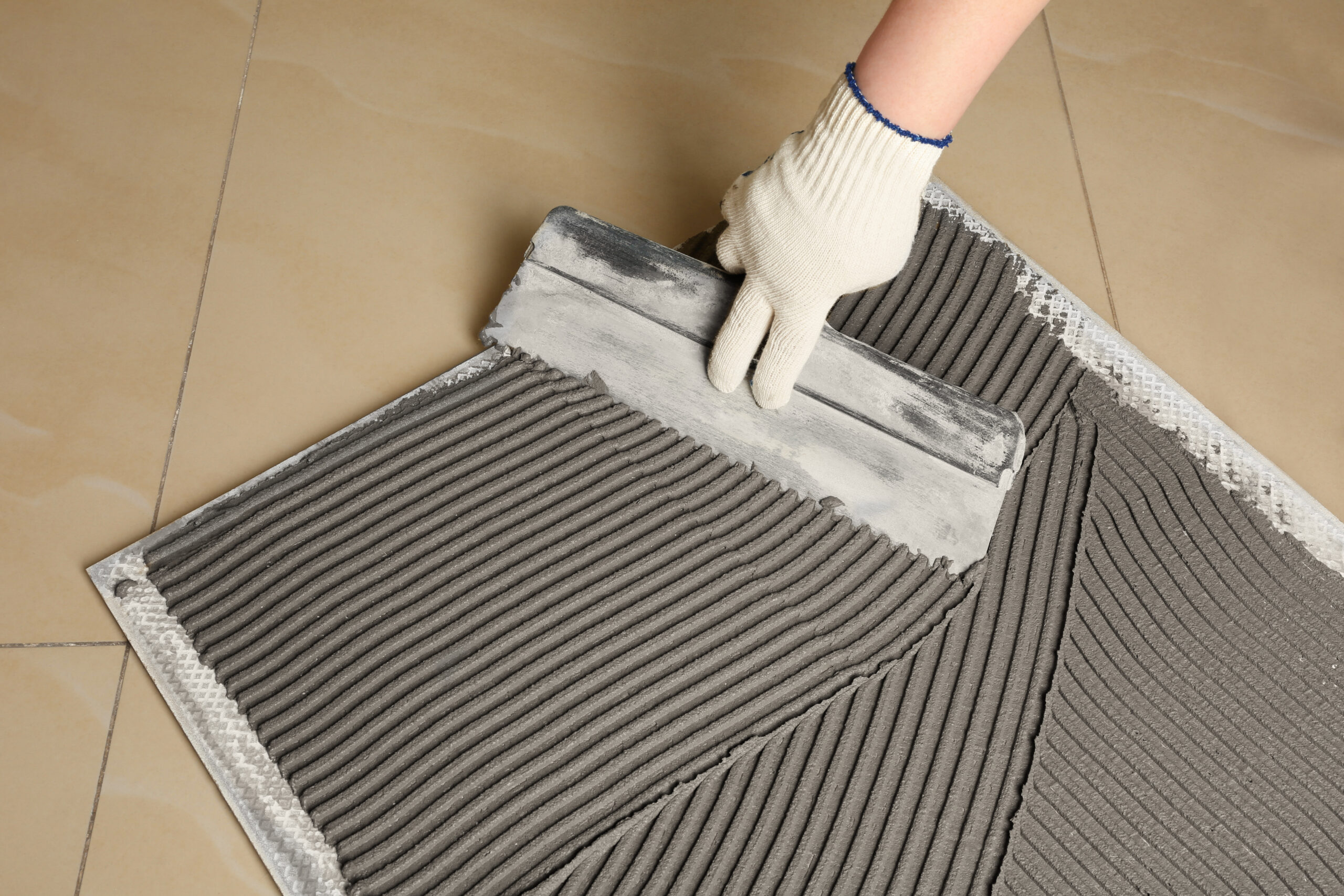
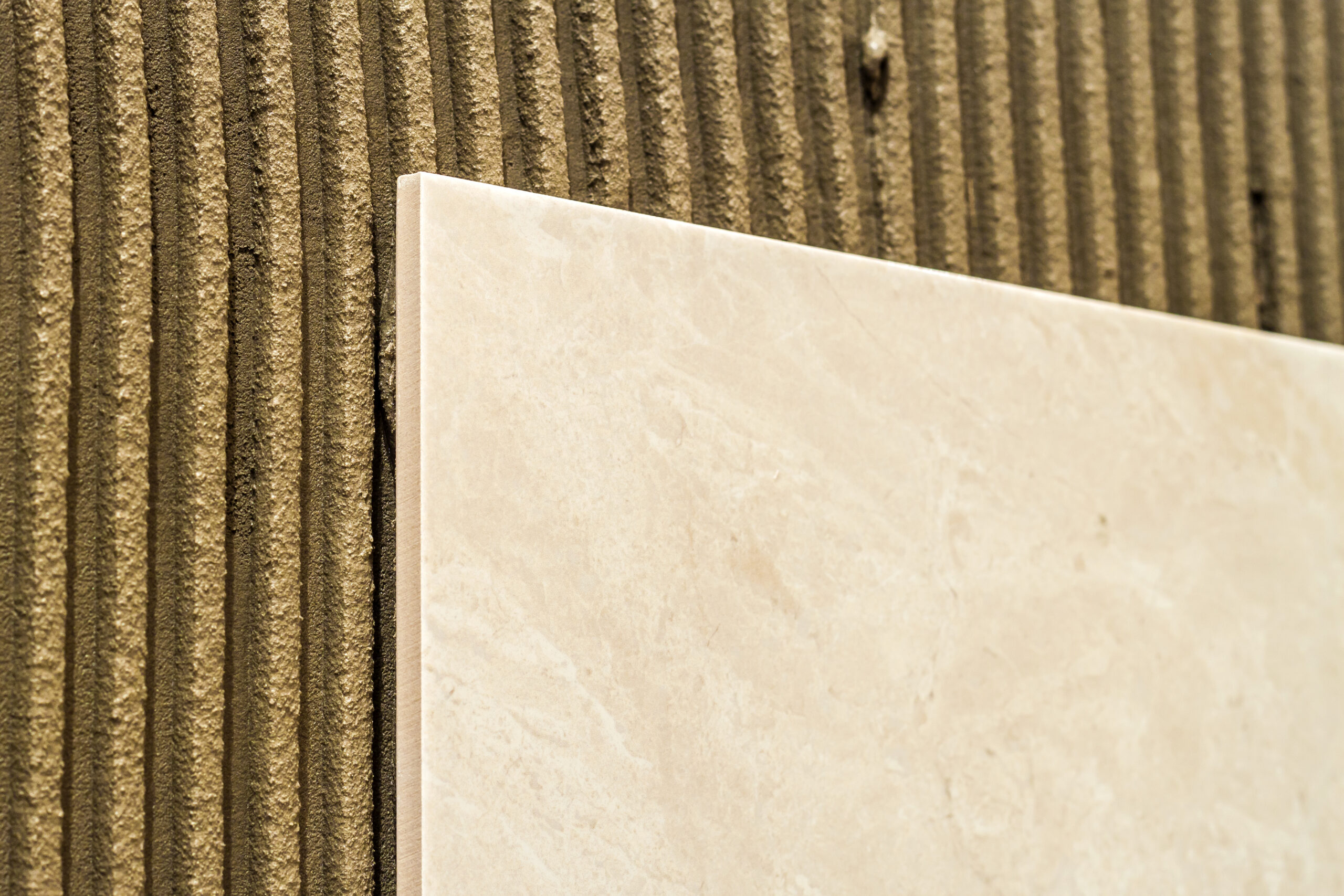
Tile adhesive (or thin‑set mortar) is a cement‑based bonding compound used to fix ceramic, porcelain, and stone tiles on floors and walls. Modern pre‑mixed formulations deliver stronger adhesion and thinner layers than traditional sand‑cement mortar.
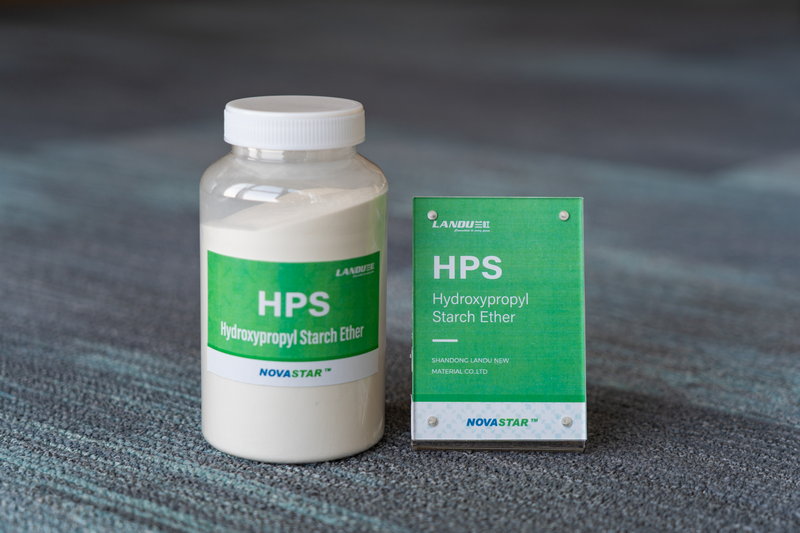
Landu Novastar Hydroxypropyl Starch Ether Powder Landu Novastar™ HPS
C1–C2 EN 12004 Compliant Systems
30+ Minutes Extended Open Time
0 mm Slip on Vertical Surfaces
60+ Countries Supplied Worldwide
Classification — EN 12004
C1 Normal setting — ≥ 0.5 N/mm²
C2 Improved — ≥ 1.0 N/mm²
F — Fast Setting T — Reduced Slip E — Extended Open Time S1 / S2 — Flexible
Why Use Landu Novastar HPS
Boosts adhesion and long‑term bond durability
Extends open time 15 – 30 min+ for large‑format tiles
Improves spreadability and rheological control
Prevents tile slippage on vertical installations
Enhances water retention and uniform curing
Cost‑efficient additive for high‑performance results
Landu Novastar™  ·  Product Categories

HPS for C1 Tile Adhesive Mortars

C1 Standard

C1 Standard Tile Adhesive

Reliable Bonding with Landu Novastar Hydroxypropyl Starch Ether

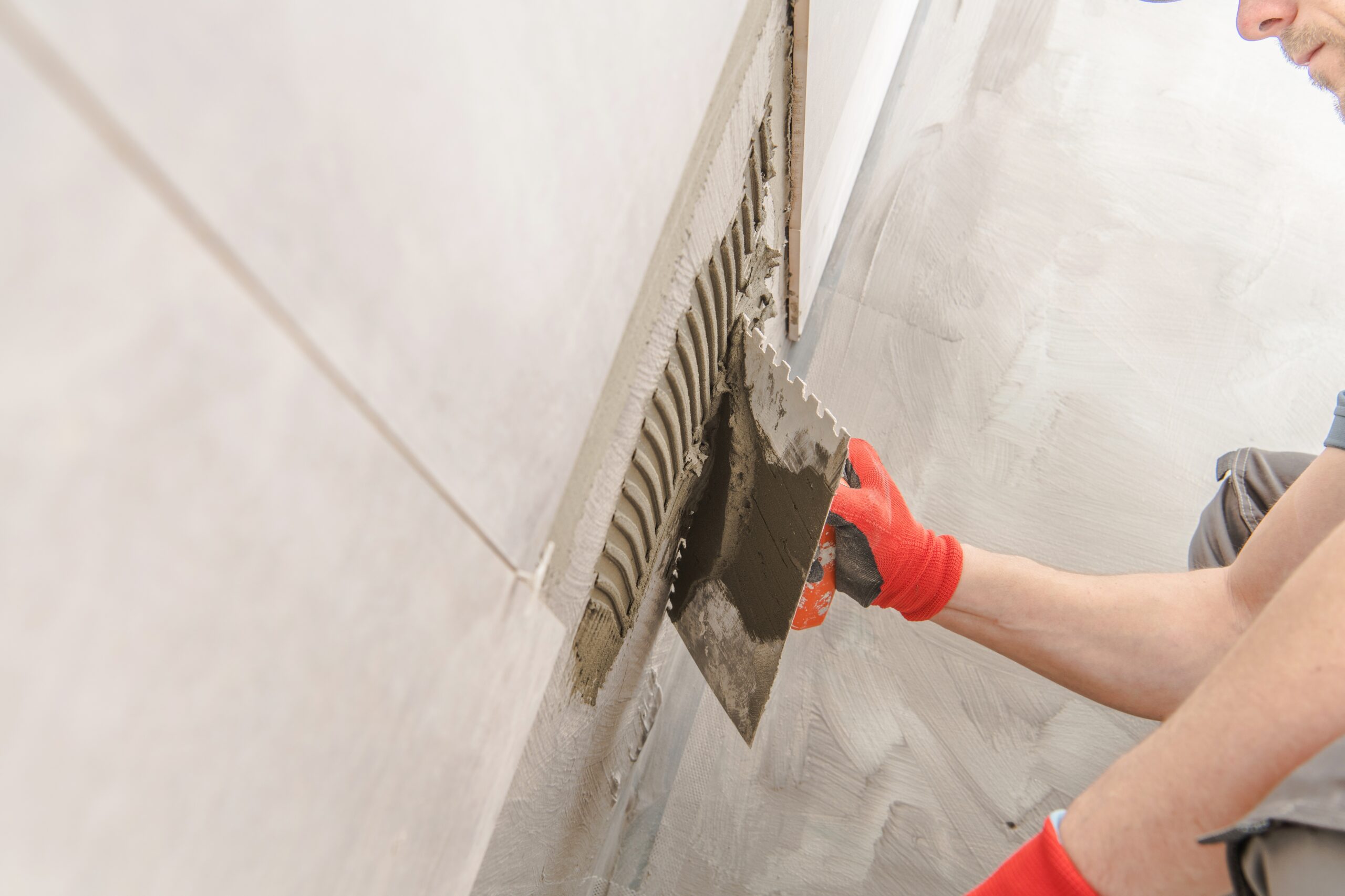
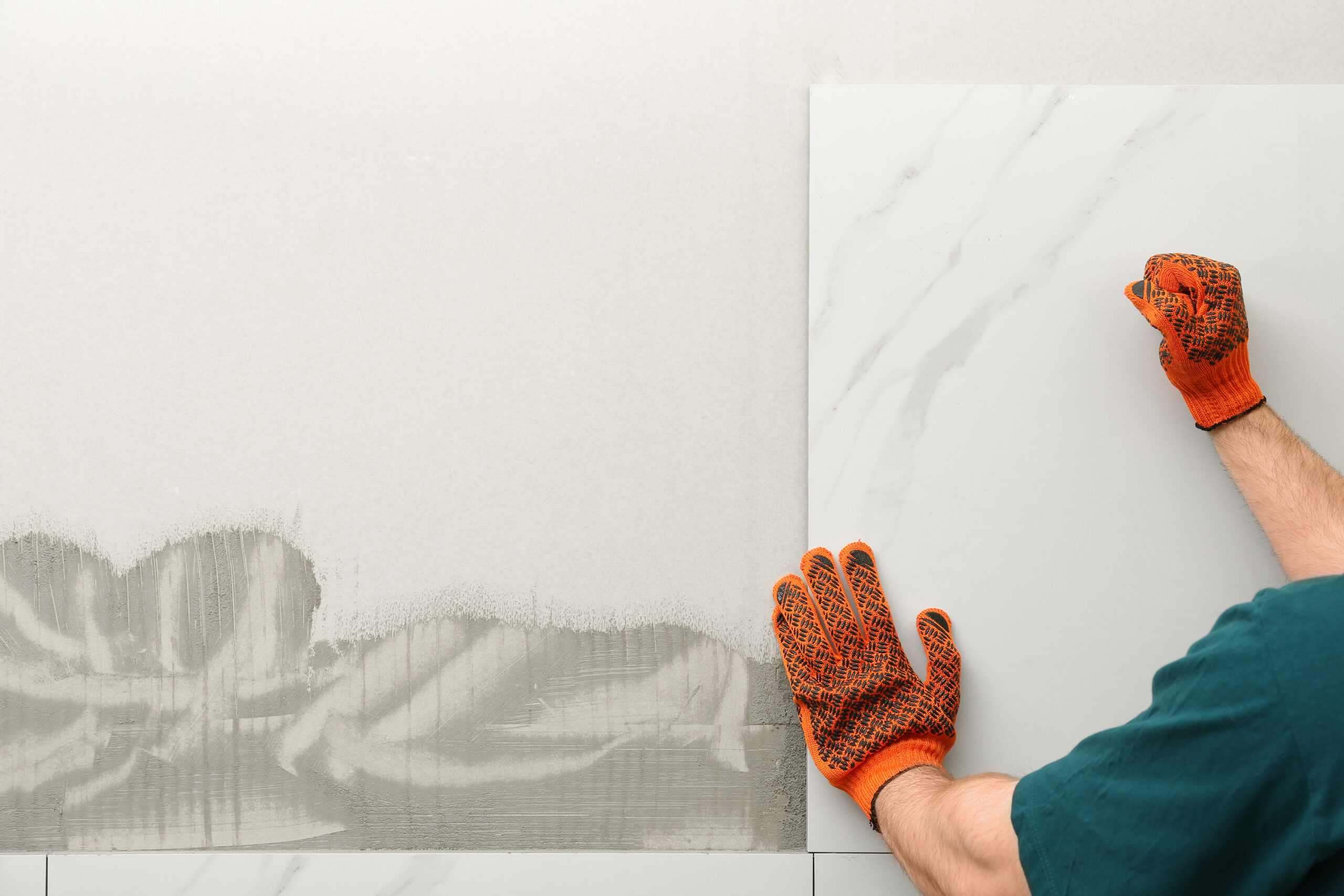
Tile adhesive application on wall C1 Application
Applications
Standard ceramic wall & floor tiles, residential projects, indoor / outdoor.
Recommended HPS
Dosage
0.15 – 0.25 %
Performance
Bond strength ≥ 0.5 N/mm²
Good workability
Extended open time
Landu Novastar™  ·  Product Categories

HPS for C2 Tile Adhesive Mortars

C2 Improved

C2 Improved Tile Adhesive

High‑Performance Bond with Landu Novastar HPS

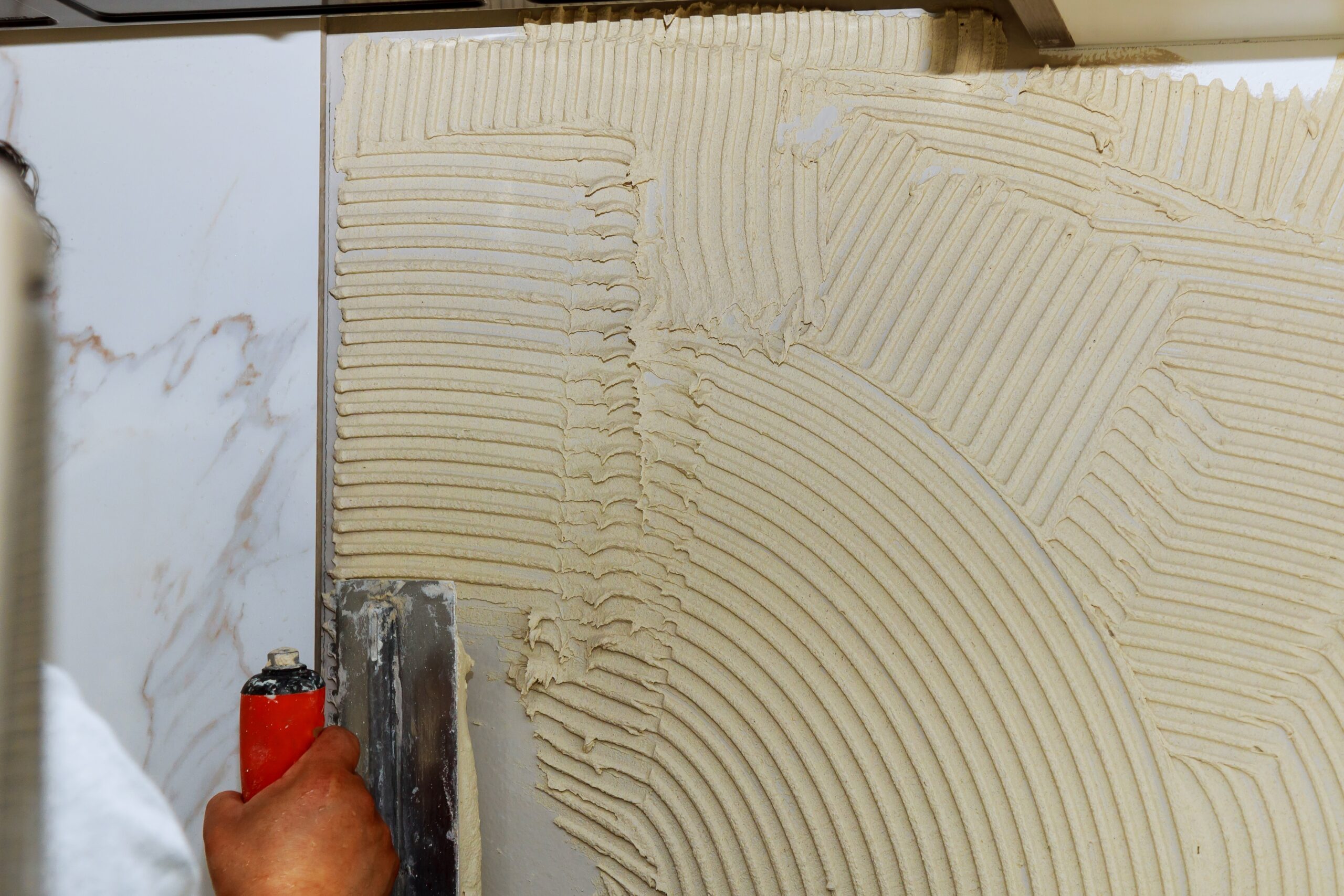
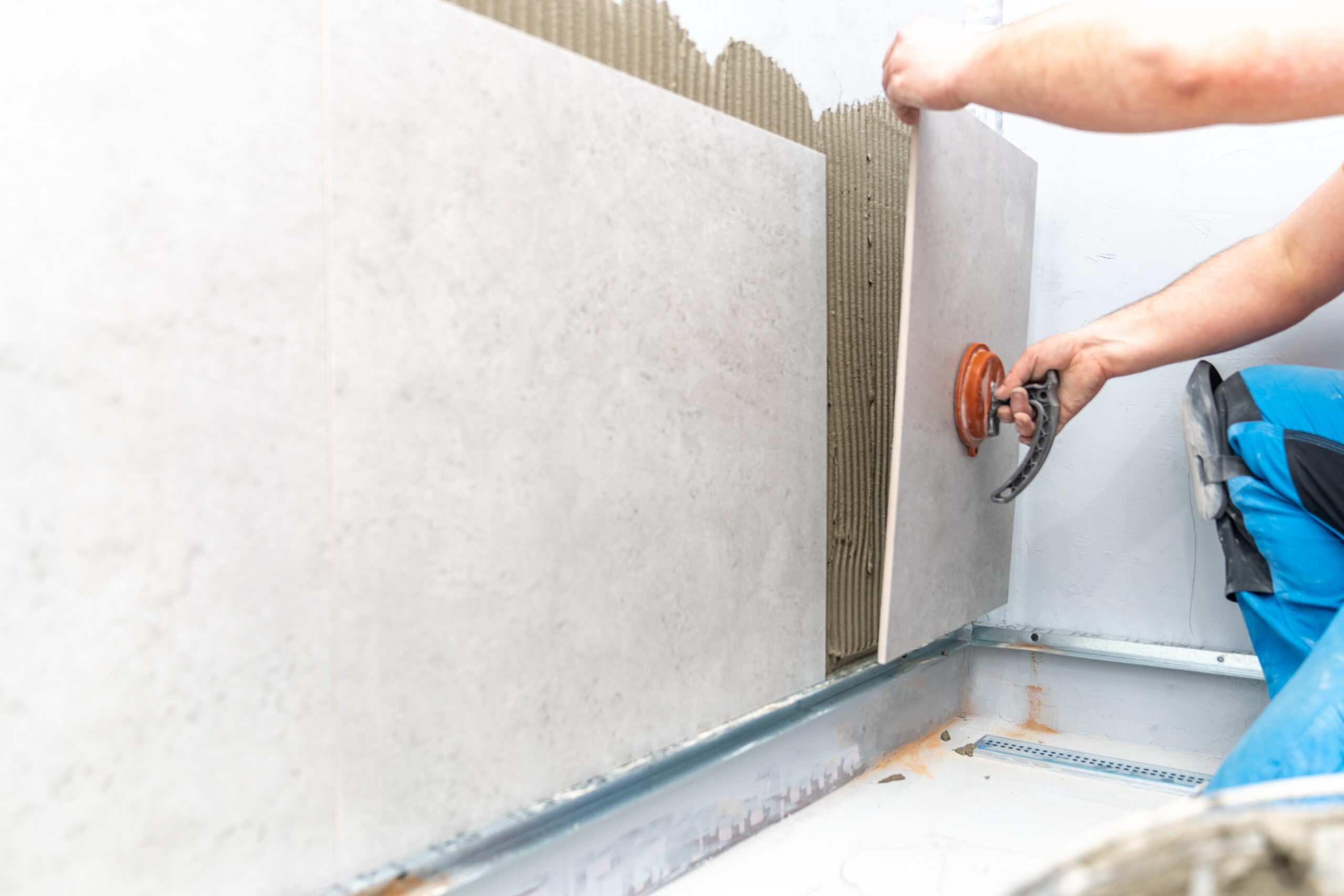
Large format porcelain tile installation C2 Application
Applications
Porcelain, large‑format and heavy tiles requiring EN 12004 C2 performance.
Recommended HPS
Dosage
0.20 – 0.30 %
Performance
Adhesion ≥ 1.0 N/mm²
Superior durability
Anti‑sag control
C2TE Extended

C2TE — Extended Open Time Tile Adhesive

with Landu Novastar HPS  ·  Hot & Dry Condition Specialist

Applications
Large‑area projects in hot or dry conditions requiring extended working time.
Recommended HPS
Dosage
0.25 – 0.35 %
Performance
Bond strength ≥ 1.0 N/mm²
Open time ≥ 30 min
Vertical slip ≤ 0.5 mm
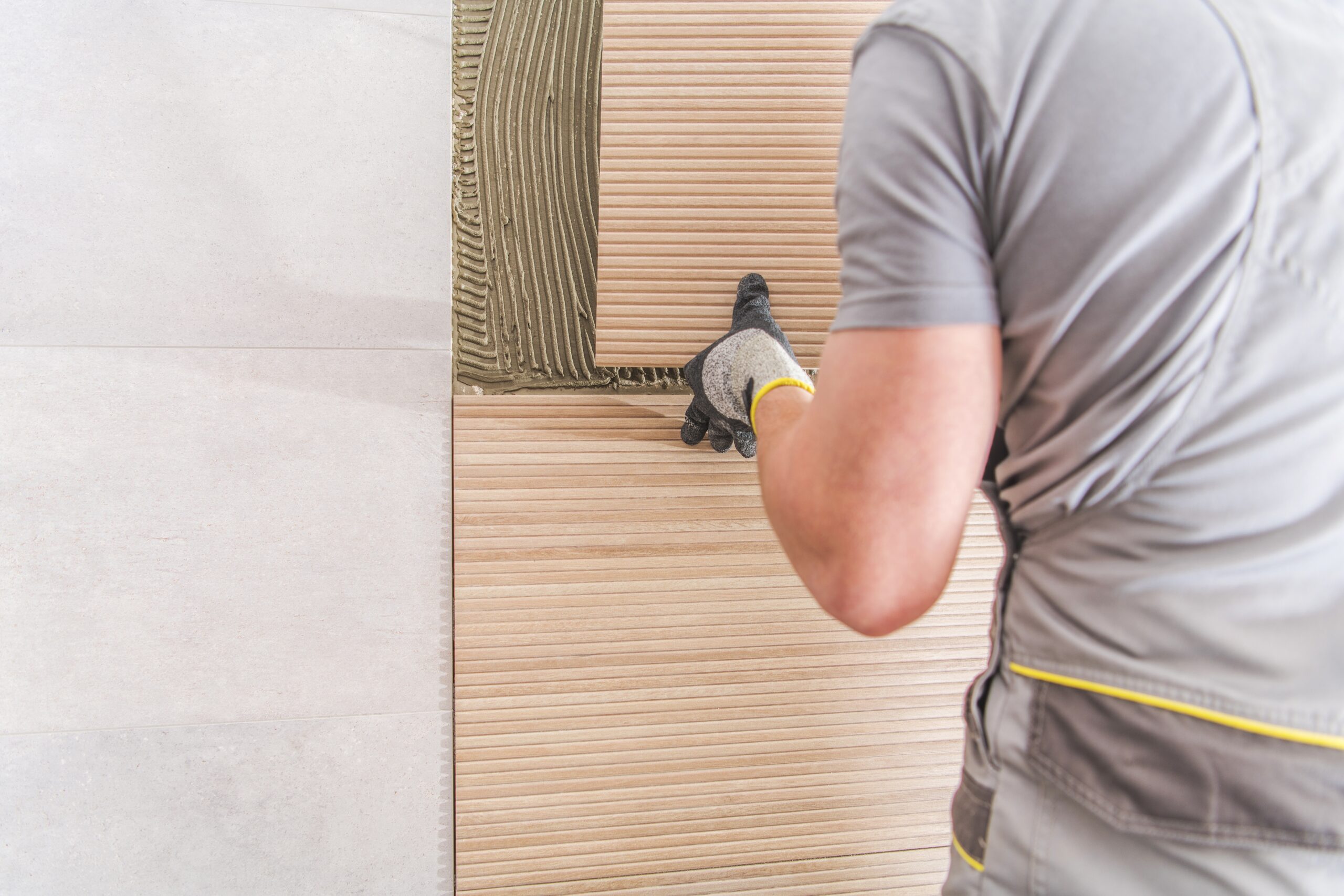
Large area tile installation in hot dry conditions C2TE Application
C2S1 Flexible

C2S1 Flexible Tile Adhesive — Deformable Systems

Using Landu Novastar HPS  ·  Heated Floors & Facade Specialist

Applications
Substrates subject to movement — heated floors, building facades, and thermally stressed surfaces.
Performance
Bond strength ≥ 1.0 N/mm²
Deformability ≥ 2.5 mm
Dosage
0.22 – 0.32 %
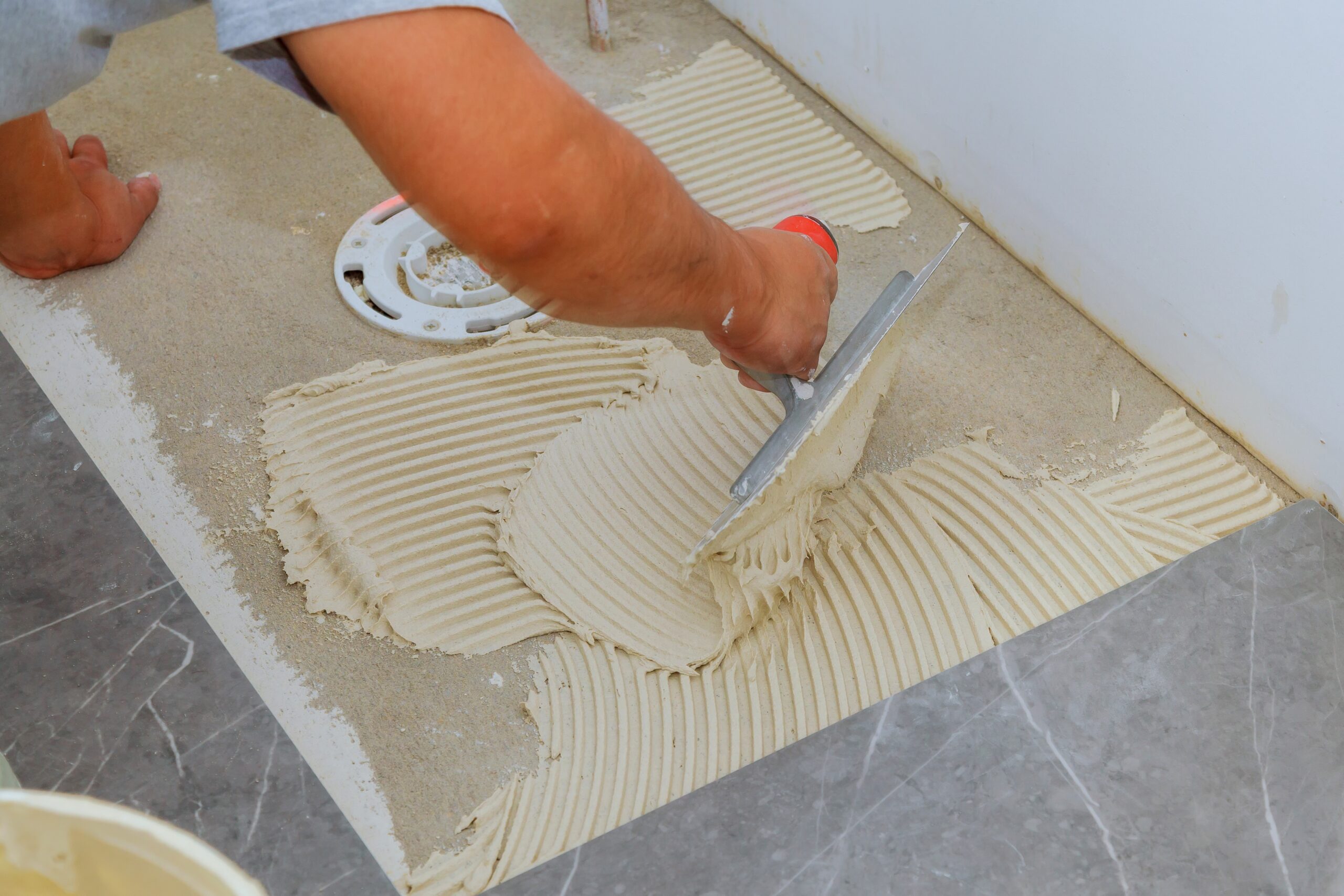
Flexible tile adhesive on heated floor substrate C2S1 Application
C2S2 Highly Flexible

C2S2 Highly Flexible Tile Adhesive — Extreme Performance

with Landu Novastar HPS  ·  Critical Substrates & Movement Zones

Highly flexible tile adhesive on critical movement substrate S2 Class C2S2 Application
Applications
Maximum flexibility for critical substrates, expansion joints, and high-movement zones.
Performance
Bond strength ≥ 1.0 N/mm²
Deformability ≥ 5 mm S2
Dosage
0.25 – 0.35 %
C1F / C2F ⚡ Fast-Setting

C1F / C2F Fast‑Setting Adhesives — Rapid Installation

Enabled by Landu Novastar HPS  ·  Quick‑Grout & Traffic‑Ready Solution

Fast-setting tile adhesive rapid installation
3–6 h Grouting 24 h Traffic‑Ready
C1F / C2F Application
Applications
Rapid‑turnaround projects — commercial floors, public spaces, and any installation requiring fast return to service.
Setting Timeline
Grouting ready 3 – 6 h
Full traffic 24 h
Dosage
0.15 – 0.25 %
Landu Novastar HPS — Performance Overview

Key Performance Benefits of Landu Novastar
Hydroxypropyl Starch Ether (HPS)

Engineered to elevate every critical performance metric in tile adhesive formulations.

Bond Strength
+10–20 % adhesion gain to substrate and tile
Open Time
Extended working window 15–30 min +
Workability
Smooth, creamy trowel consistency
Anti‑Sagging
Keeps tiles firmly in place on vertical surfaces
Water Retention
Ensures full cement hydration for optimal cure
Flexibility
Enhances S1 / S2 deformability with polymers
Landu Novastar HPS — Product Selector

Recommended Landu Novastar HPS Products
for Tile Adhesive Mortars

Select the right Hydroxypropyl Starch Ether grade for your adhesive class, substrate, and performance target.

Product Viscosity (mPa·s) Ash % Application Focus Highlights Dosage (%)
ST1403B 500 – 1,000 mPa·s ≤ 12 %
C1 C1F C1T
Excellent workability, cost‑efficient entry grade
0.15 – 0.25
ST1506A 500 – 3,500 mPa·s ≤ 12 %
C1 – C2 S1 S2
Versatile, wide viscosity range for broad adhesive classes
0.18 – 0.32
ST1703A 1,500 – 4,000 mPa·s ≤ 10 %
C2 TE S1 S2
Premium anti‑sagging & enhanced adhesion performance
0.22 – 0.35
ST2442 2,000 – 5,000 mPa·s ≤ 12 %
C2 T C2 TE S2 Large Tiles
Heavy‑duty anti‑sag engineered for large‑format tile installations
0.25 – 0.35
Landu Novastar HPS — Formulation Reference

Tile Adhesive Design with Landu Novastar HPS Quick Formulation Guide

Reference dosage ranges for four standard adhesive classes — from basic C1 to high-flexibility C2S2. All values are indicative; adjust to local cement grade and climate.

C1

Standard

General-purpose adhesive

Cement 25–35 %
Sand 55–65 %
HPS 0.15–0.25 %
HPMC 0.1–0.2 %
RDP 2–4 %
C2

Improved

Enhanced bond strength

Cement 30–40 %
Sand 50–60 %
HPS 0.2–0.3 %
HPMC 0.15–0.25 %
RDP 4–6 %
C2S1

Flexible

S1 deformability class

Cement 28–38 %
HPS 0.22–0.32 %
RDP 6–10 %
HPMC 0.2 %
C2S2

High Flex

Maximum deformability

Cement 25–35 %
HPS 0.25–0.35 %
RDP 10–15 %
Plasticizer 0.3–0.7 %
Download Full Formulation Guide

PDF · All adhesive classes · Dosage tables included

Landu Novastar HPS — Field Reference

Using Landu Novastar HPS Enhanced Tile Adhesive Application Best Practices

Step-by-step guidance from substrate prep through grouting — plus a quick-reference troubleshooting panel for common field issues.

01
Preparation

Clean, sound substrate — concrete must be cured ≥ 28 days. Remove all dust, oil, and loose particles before application.

02
Mixing

Add 5–7 L water per 25 kg bag. Mix 3–5 min at 400–600 rpm, rest 10 min, re-mix, then use within pot life 2–4 h.

03
Application

Trowel adhesive onto substrate and comb with a 6–10 mm notched trowel — select notch size according to tile format and weight.

04
Placement Tips
Wall: start bottom-up with spacers
Floor: center-out, no traffic ≤ 24 h
Coverage Check
65 %
Minimum — standard tiles & dry areas
80 %
Required — large tiles or wet areas
Curing & Grouting
Standard set 24 – 48 h
Fast-set type 3 – 6 h
Troubleshooting — Problem → Solution quick reference
Low Bond Strength
Solution
Raise RDP dosage and verify substrate condition — check for contamination or insufficient cure time.
Tile Slippage
Solution
Increase HPS by 0.05–0.1 %, or switch to ST1703A / ST2442 for enhanced anti-sag performance.
Short Open Time
Solution
Add HPMC or a set retarder to extend the working window for large-format or complex installations.
Download Troubleshooting Guide

PDF · Field-ready reference · All adhesive classes covered

Landu Novastar HPS — Real-World Results

Tile Adhesive Projects with Landu Novastar Hydroxypropyl Starch Ether (HPS) Success Stories

From luxury hospitality to residential heated floors — see how Landu Novastar HPS grades deliver measurable, lasting results across real project conditions.
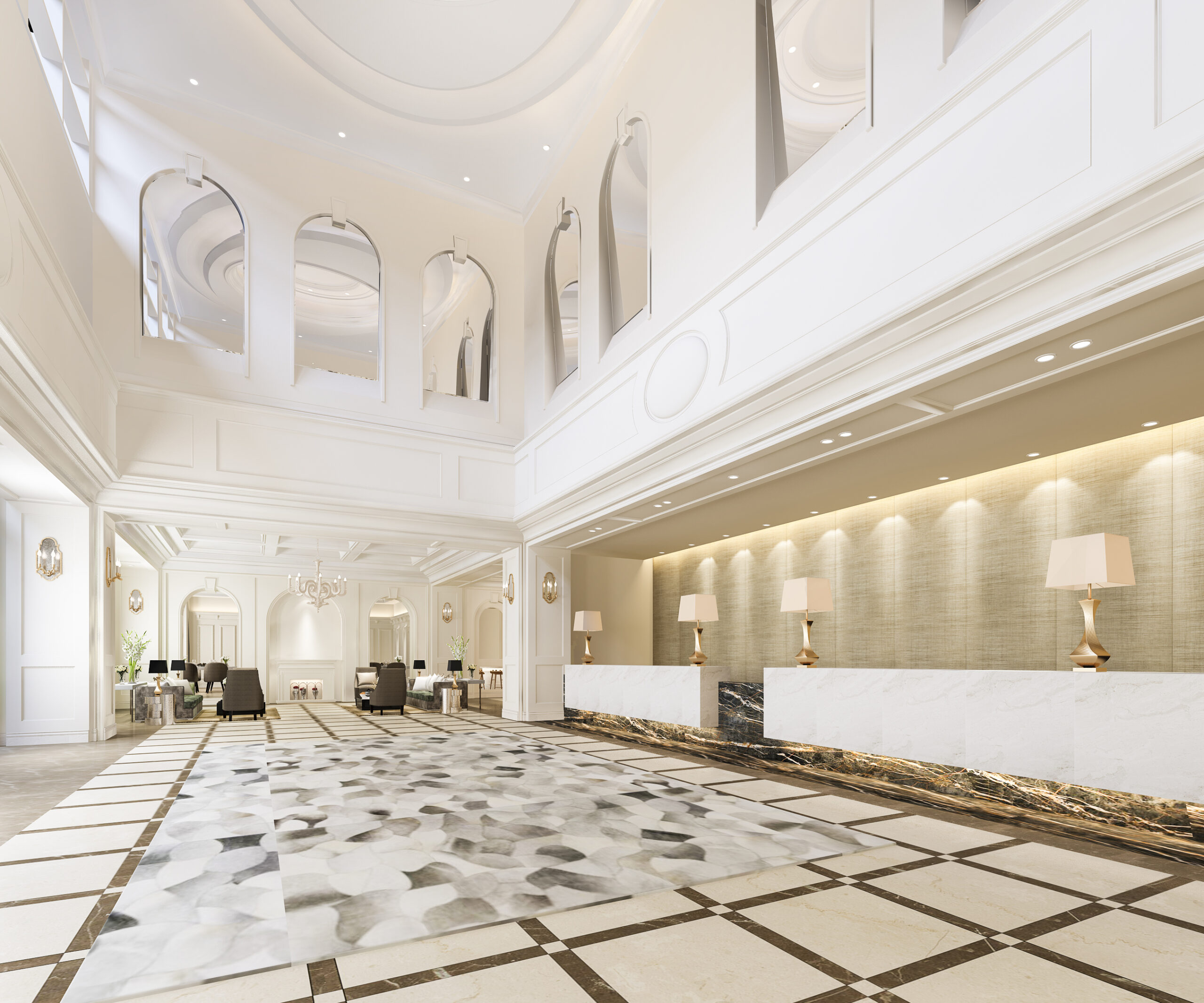
Luxury hotel renovation with premium tile finish
Hospitality Zero Failures

Luxury Hotel Renovation

Full-floor and wall tile installation across guest rooms and lobbies using a C2TE formulation with ST1703A at 0.28 %. Delivered a flawless premium finish with zero tile failures post-installation.

C2TE ST1703A 0.28 % HPS
Zero failures — premium finish achieved across all surfaces
Shopping mall large format floor tiling
Commercial 3-Year Zero Defects

Shopping Mall Floor

High-traffic large-format floor installation using C2 adhesive with ST1506A at 0.25 %. Achieved a bond strength of 1.2 N/mm² with a 3-year defect-free track record under heavy foot traffic.

C2 ST1506A 0.25 % HPS
1.2 N/mm² bond strength — 3 years, zero defects recorded
Residential heated floor tile installation
Residential 5-Year No Cracks

Heated Floors — Residential

Underfloor heating system tile bonding using a C2S1 flexible formulation with ST1506A at 0.28 %. Thermal cycling stress managed with zero cracking or debonding after 5 years of continuous use.

C2S1 ST1506A 0.28 % HPS
No cracks after 5 years of thermal cycling stress
Read Full Case Studies

3 detailed project reports · Performance data included

Landu Novastar HPS — Common Questions

Hydroxypropyl Starch Ether (HPS) in Tile Adhesive Systems Frequently Asked Questions

Click any question to reveal the answer. Technical guidance on dosage, product selection, and formulation best practices.
Dosage ranges from 0.15 – 0.35 % depending on adhesive class:
  • C1 Standard: 0.15 – 0.25 % — cost-efficient entry level
  • C2 Improved: 0.20 – 0.35 % — enhanced bond and anti-sag
Product selection depends on your target class:
  • ST1506A — top choice for versatility across C1 & C2
  • ST1403B — cost-effective solution for standard C1
  • ST1703A — premium grade for C2 with enhanced performance
No — HPS and HPMC are complementary, not interchangeable. They work synergistically:
  • HPS enhances workability, anti-sagging, and trowel feel
  • HPMC provides water retention and extends open time
  • Use both together for optimal, balanced performance
Achieving ≥ 1.0 N/mm² requires a multi-factor approach:
  • Use quality cement 52.5 grade
  • Increase RDP to 4 – 6 %
  • Optimize HPS and HPMC dosage for your climate
  • Ensure tile coverage ≥ 65 % (≥ 80 % for wet areas)
  • Allow proper curing time before grouting
Anti-sag performance on vertical surfaces requires:
  • Use higher-viscosity HPS — ST1703A or ST2442 at 0.25 – 0.35 %
  • Reduce water content to achieve stiffer consistency
  • Apply at correct bed thickness — avoid over-application
  • Use tile spacers and allow adequate set time before releasing
Both are flexibility classifications under EN 12002:
  • S1 — Flexible: deformability ≥ 2.5 mm, standard RDP content
  • S2 — Highly Flexible: deformability ≥ 5.0 mm, requires RDP 10 – 15 % plus plasticizers
  • S2 is required for heated floors, facades, and high-movement substrates
Several levers can extend your working window:
  • Increase HPS and/or HPMC dosage in formulation
  • Add set retarder at 0.05 – 0.15 %
  • Work in cooler ambient conditions where possible
  • Increase relative humidity at the work site
Yes — with a few important considerations:
  • Use white cement for light-colored or translucent stone to prevent staining
  • Verify adhesive compatibility with stone type (marble, travertine, etc.)
  • Always check manufacturer recommendations for the specific stone
  • Back-buttering is recommended for large or porous stone formats
Get Started

Consult Landu Novastar Tile Adhesive Experts

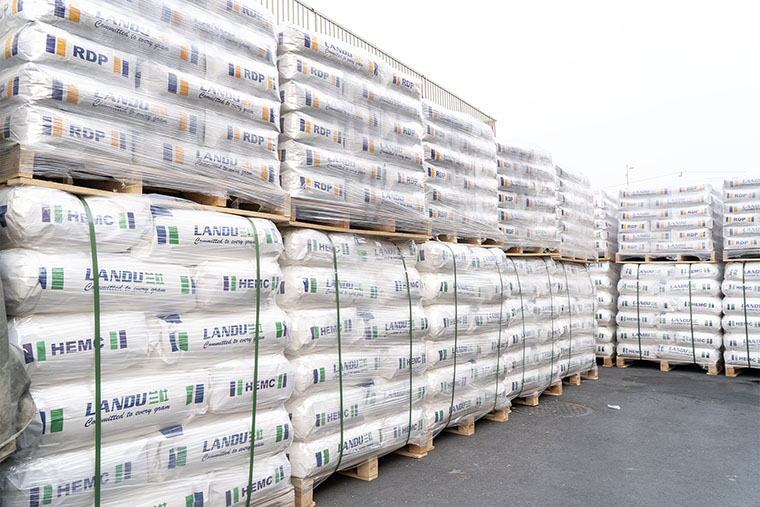
Warehouse and Storage
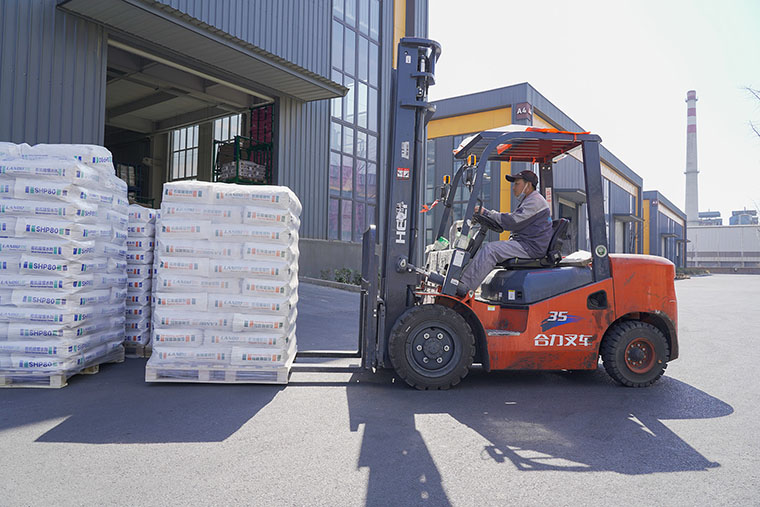
Warehouse & Storage
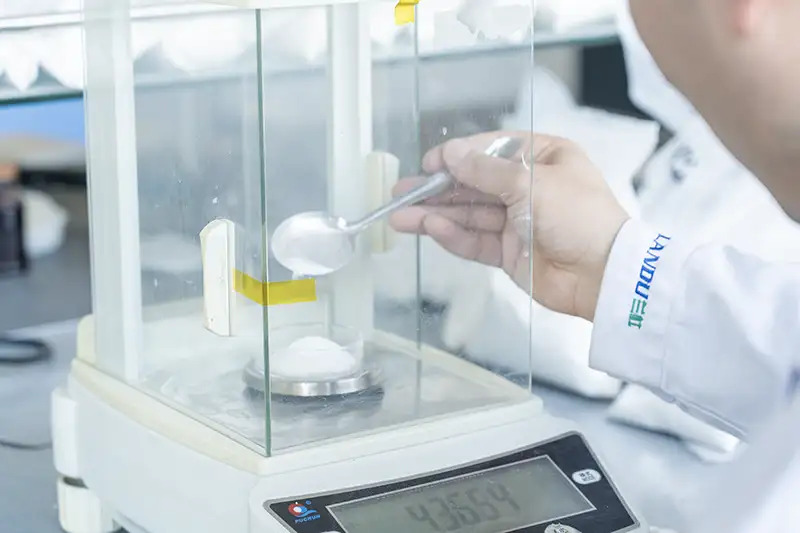
Quality Control
Quality Control
Global Shipping
Global Shipping
R&D Lab
R&D Laboratory
24 hrs Response
Global Delivery
2–3 wk Lead Time
Custom Bulk Orders
Direct Contact

Reach our technical sales team for expert guidance on product selection, dosage, and tile adhesive formulation.

Response within 24 hours
1 Chat with us